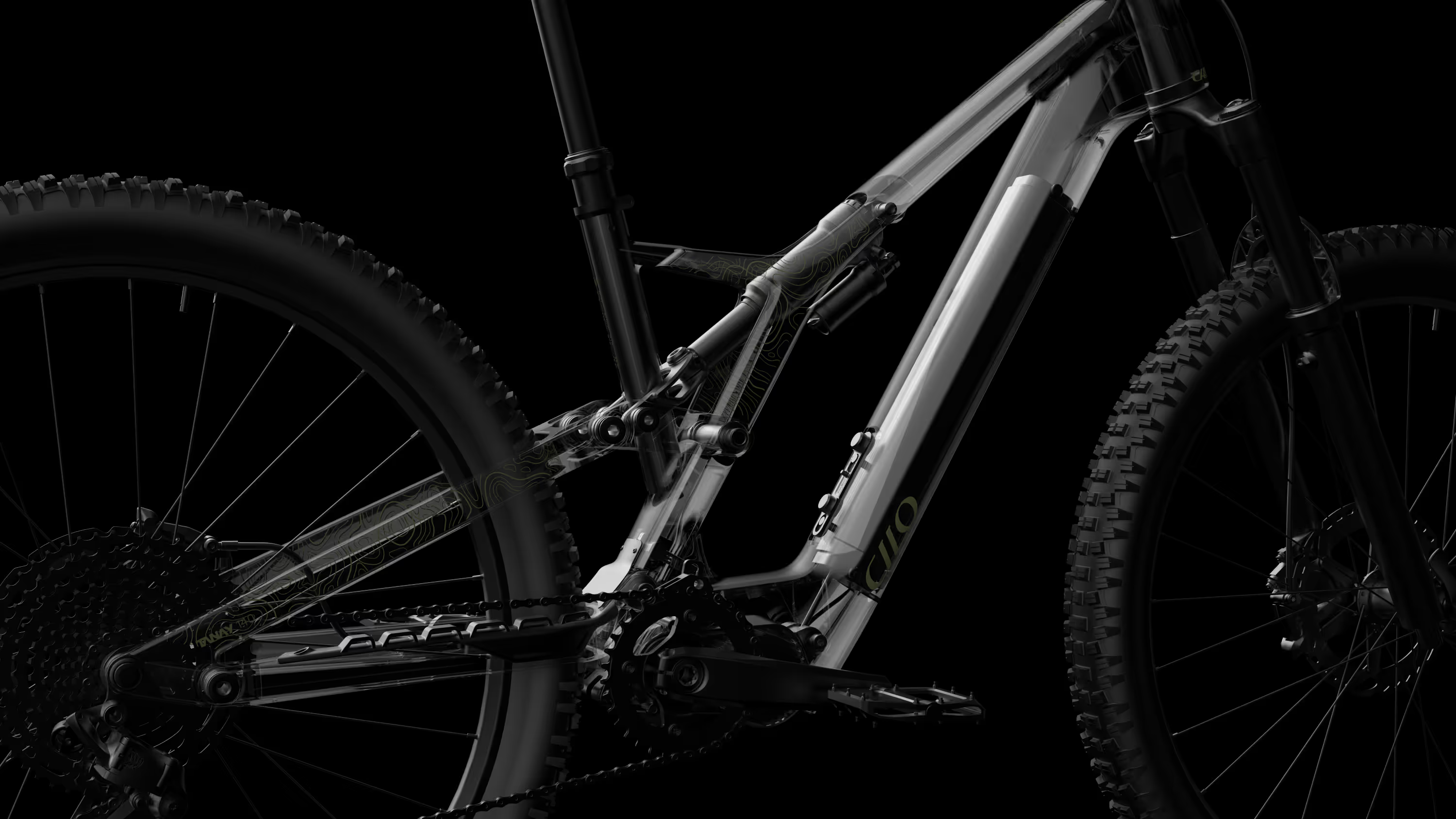
SWISS ENGINEERING. BUILT TO LAST.
How CILO E-MTBs are developed – and why you feel it on the trail.
NEW CILO E-BIKE GENERATION – DEVELOPMENT BACKGROUND
Swiss engineering culture means: no detail is left to chance. Every CILO E-Bike is the result of a clearly structured development process – from the first concept sketch to the final validation on alpine terrain.
The product management team works together with Radiate Engineering & Design AG on engineering and product strategy – not as an external service provider, but as an integrated part of the development team.
FRAME DEVELOPMENT FROM SWITZERLAND – NO COMPROMISES
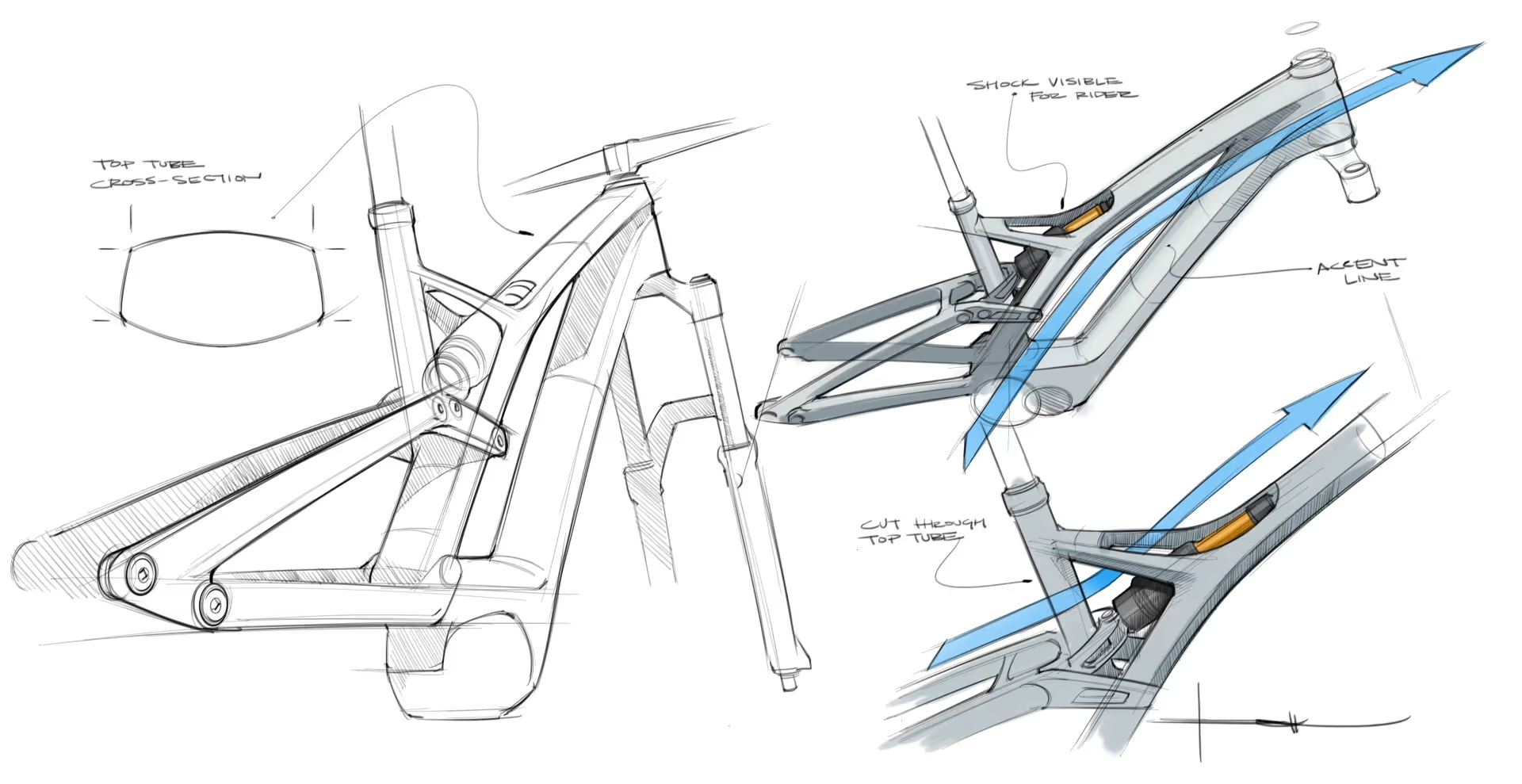
No adapted standard design. No off-the-shelf frame. The CILO E-Bike frames were developed entirely from scratch – from the concept phase through to series production. The design was developed in close collaboration with FJELD Studio and bears the studio's distinctive creative signature.
The foundation is a platform-based architecture: one shared frame, multiple models. By exchanging just two components – yoke and seat stays – both Enduro and All-Mountain geometries can be realised.
This reduces complexity, ensures consistent quality and enables distinct model characters within the same platform.
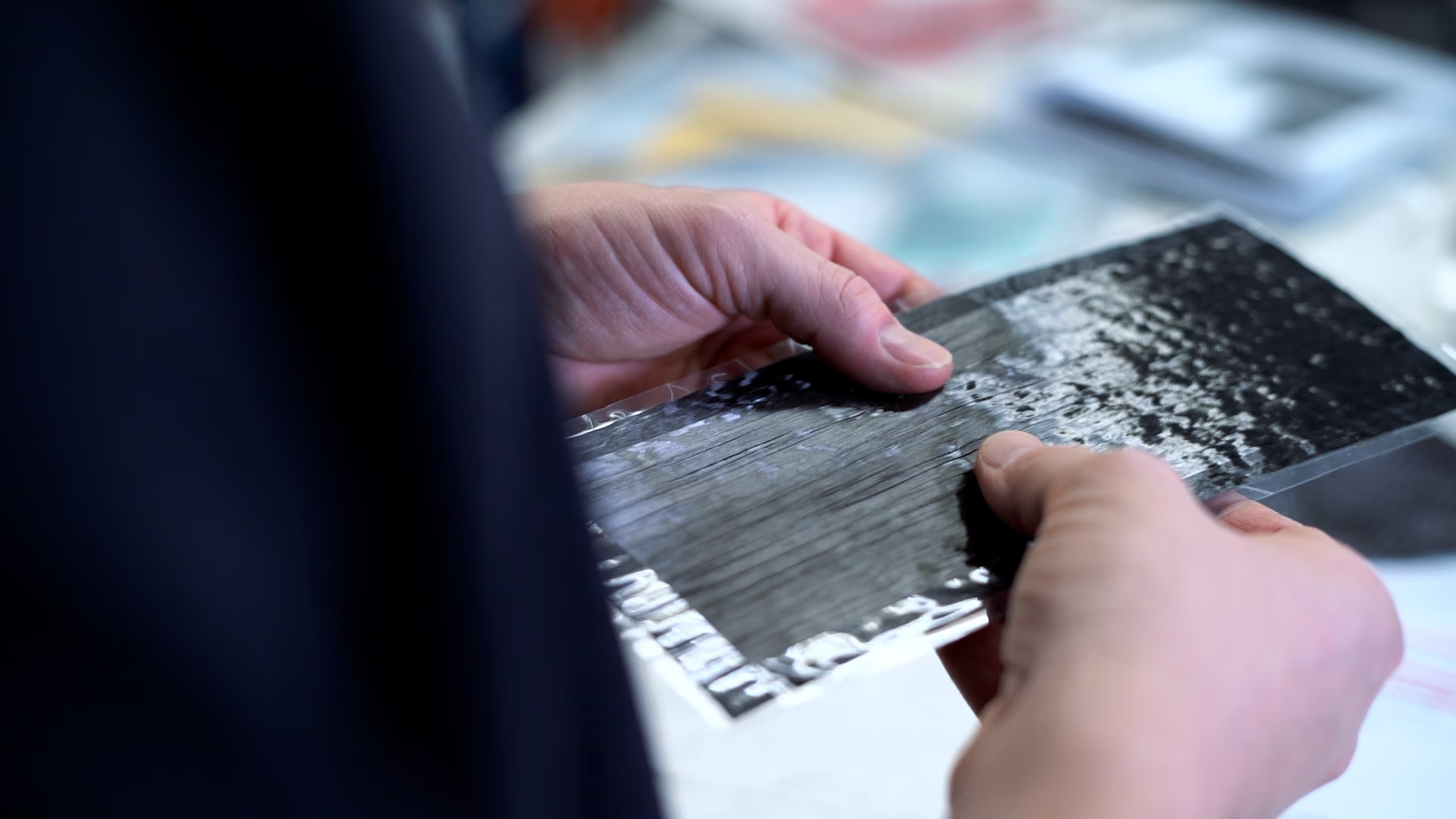
For carbon frames, this means maximum precision in every detail: exactly defined fibre orientation, wall thicknesses and reinforcement zones. Stiff where control and power transfer matter. Compliant where traction and comfort build rider confidence. The T700 and T800 carbon fibres used deliver a ride feel that is direct and lively – never harsh, never vague.
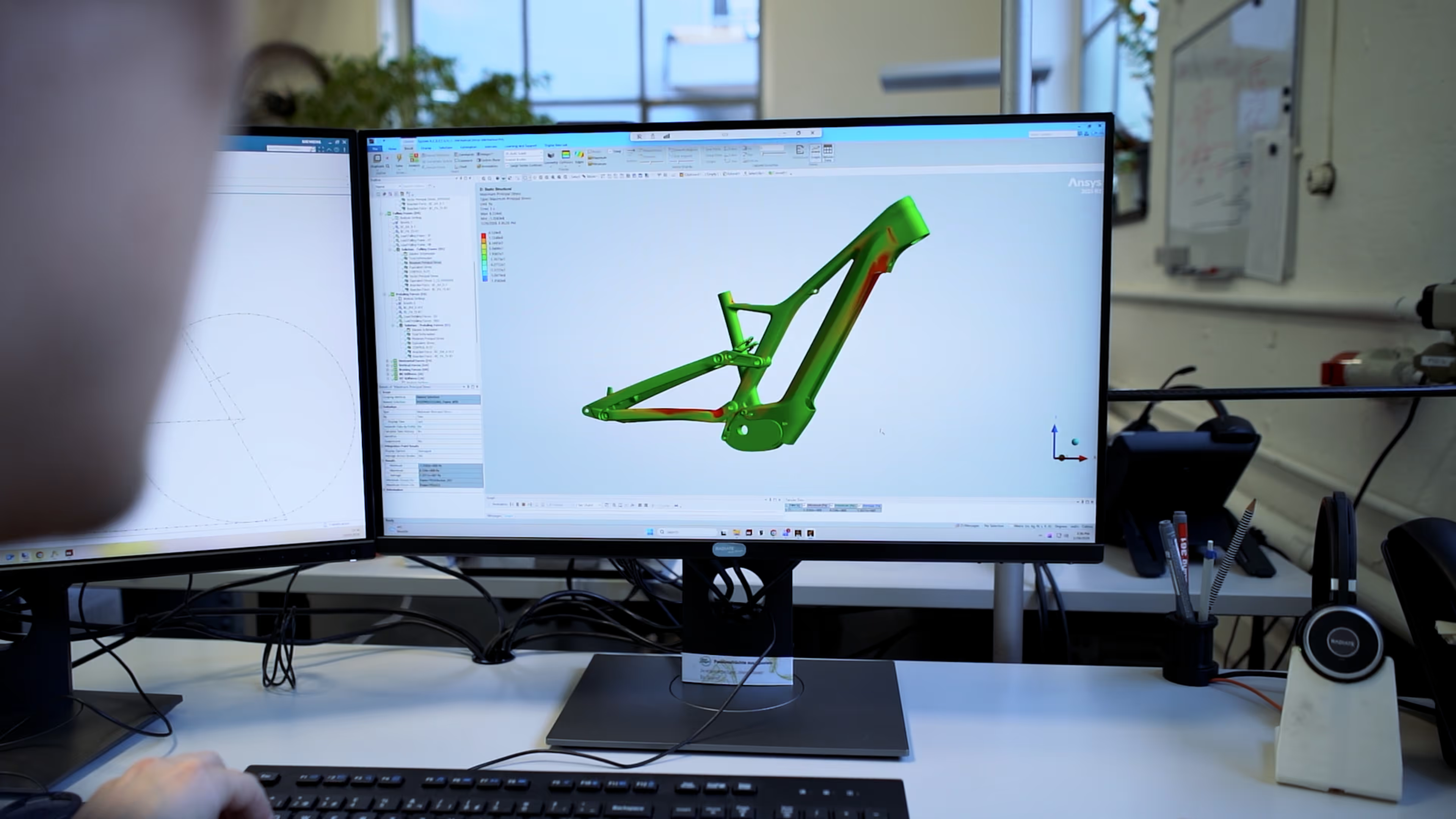
FEA-SIMULATION -INSTEAD OF TRIAL-AND-ERROR
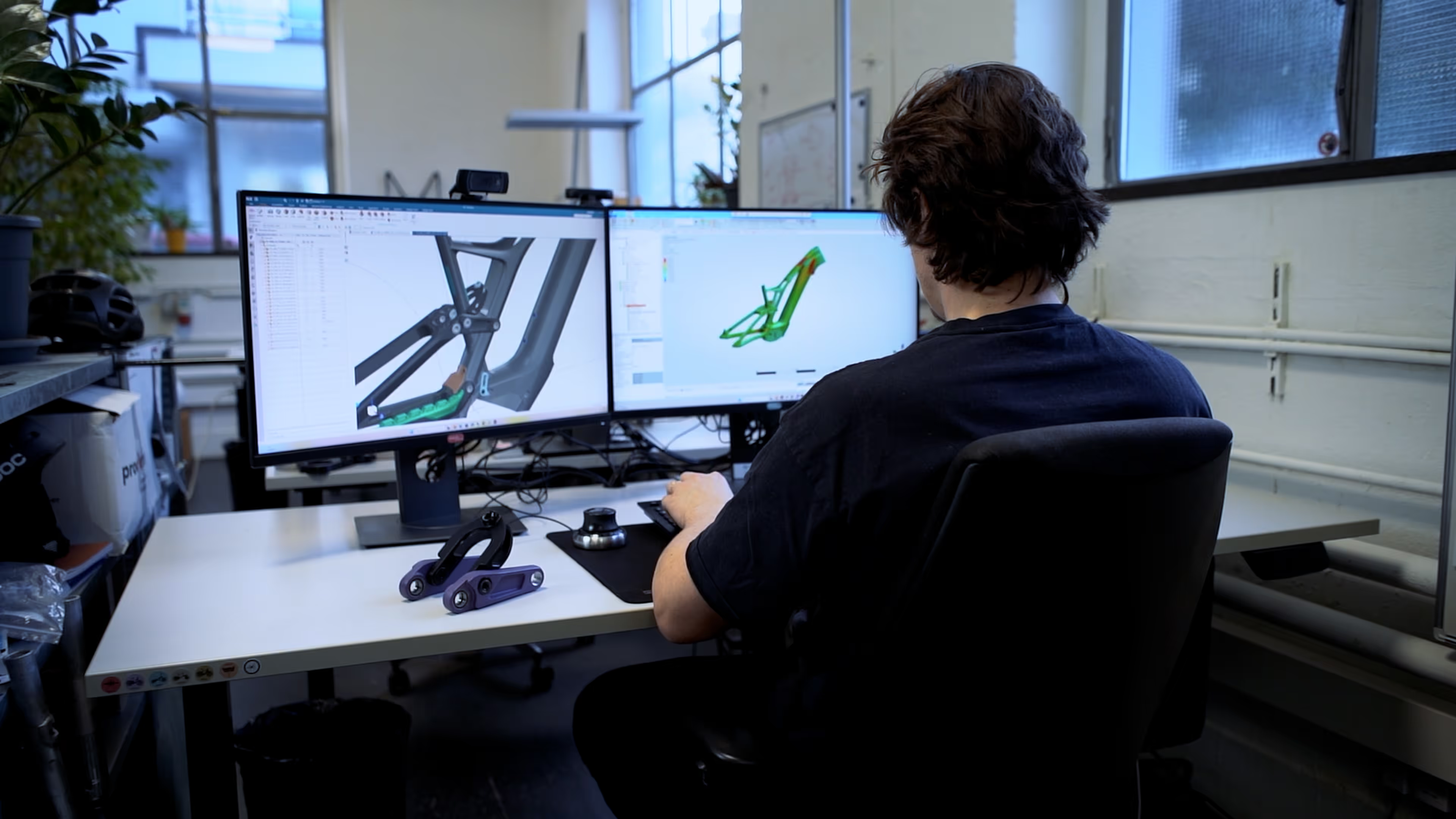
Before a single prototype is built, the frame has already been digitally stress-tested hundreds of times. CILO relies on Finite-Elemente-Analyse (FEA) – an approach that has been standard practice in aerospace and automotive engineering for decades, yet remains rarely applied with this level of consistency in the bicycle industry.
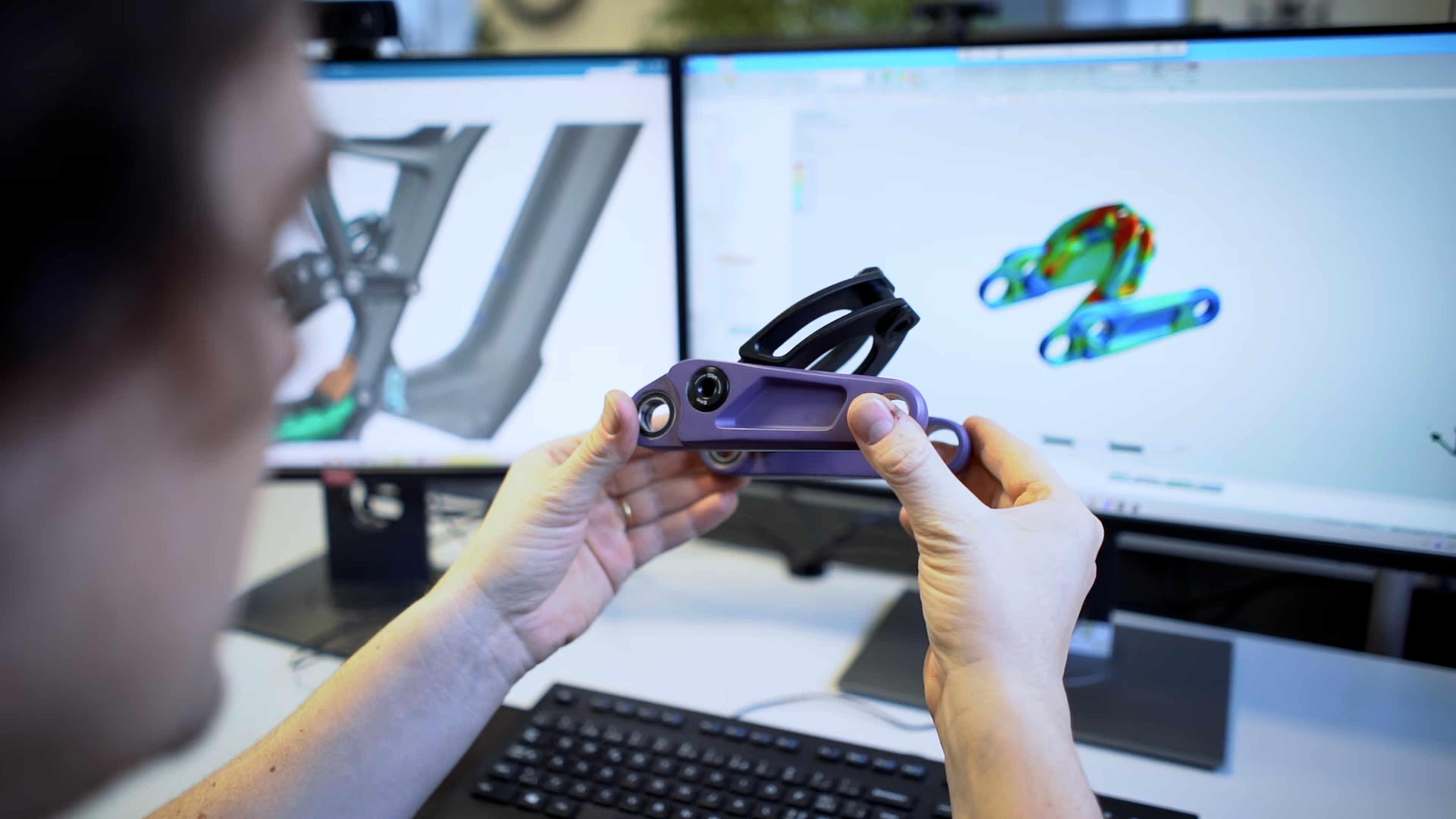
Engineers simulate real-world load scenarios: hard braking, jump landings, fast cornering, long-term fatigue loading. Weak points are identified before they can occur. Load paths are optimised. Weight is reduced wherever the structure allows – without compromise on safety or durability.
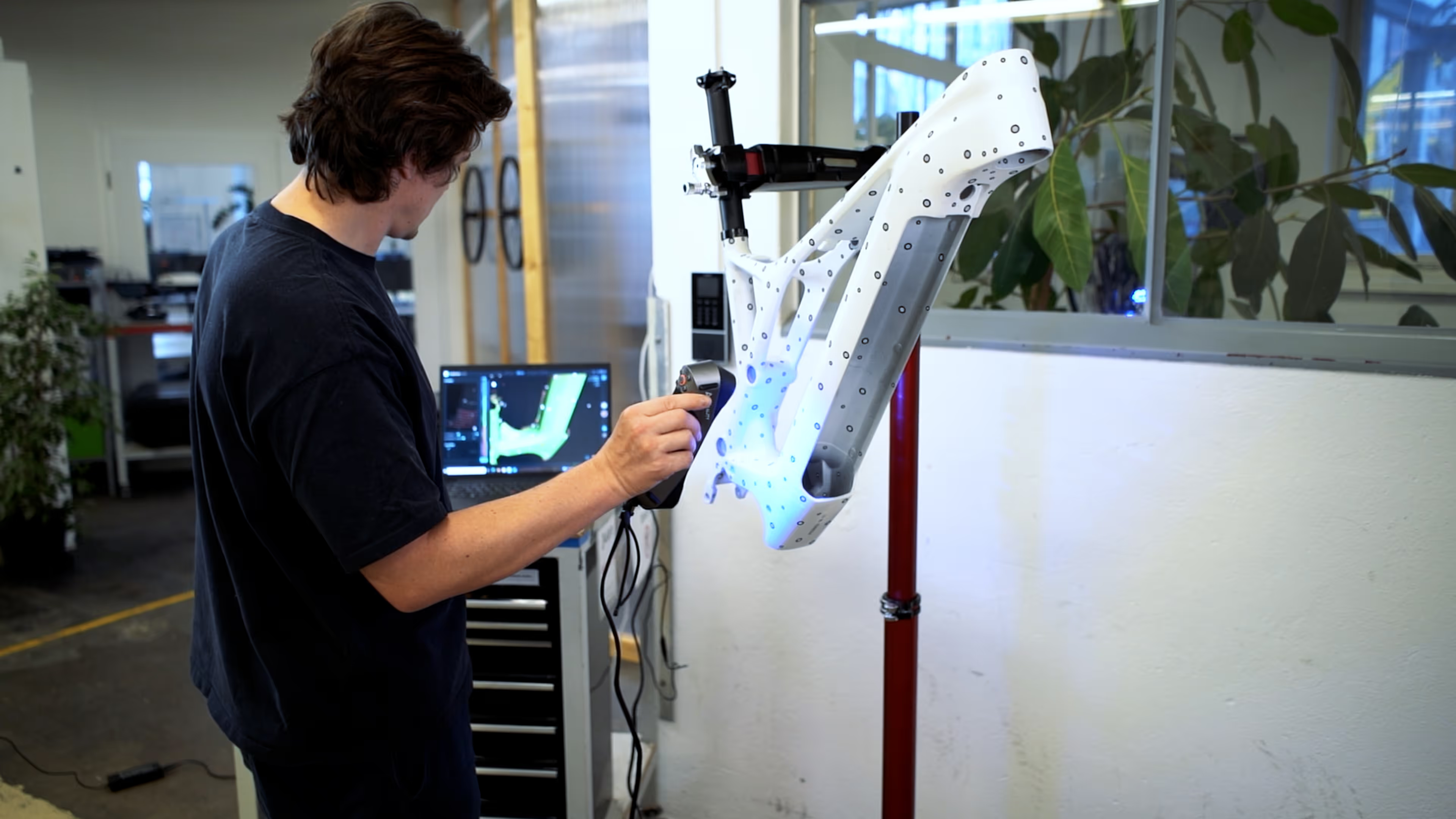
The tool at the centre of this process is the Digital Bike Lab by Radiate – a simulation environment designed specifically for bicycle development. The result: fast, reproducible assessments of structural behaviour across all frame sizes, materials and model variants.
Confidence on the trail starts with confidence in the structure.
REAL-WORLD TESTING – PERFORMANCE UNDER REAL CONDITIONS
Simulation builds understanding. Trail testing delivers certainty.
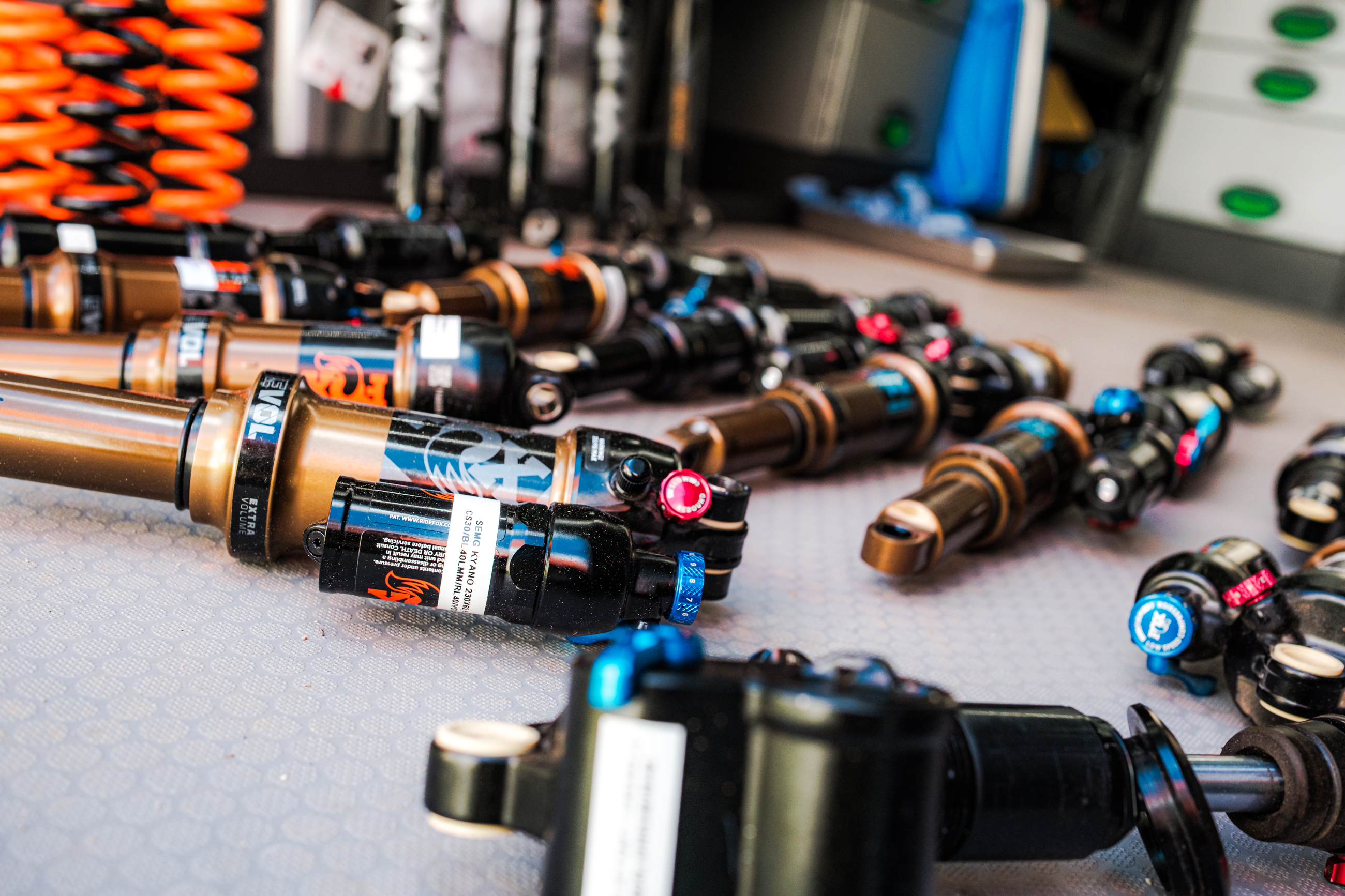
For ride dynamics tuning, CILO worked directly with FOX Factory. The goal: a factory suspension setup that is not generic, but precisely calibrated to the kinematics and structural behaviour of the CILO chassis. Multiple iterations. Real conditions. No guesswork.
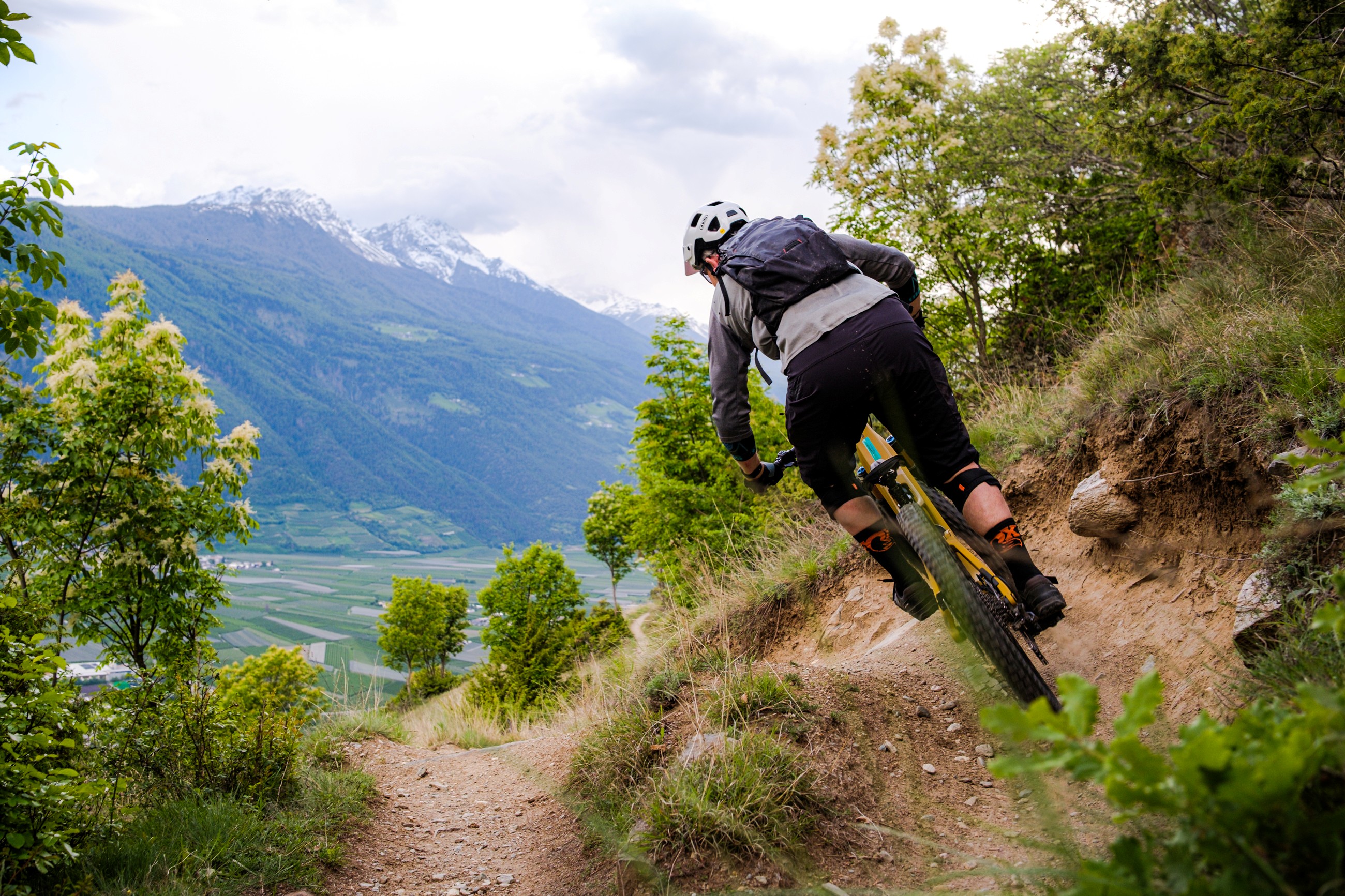
The final validation test camp took place in Vinschgau – one of the most technically demanding bike regions in the Alps. Where alpine trails push frames, suspension and setup to their limits, one thing became clear: what the simulation had calculated holds true on the trail.
And that is the promise of every CILO E-Bike: a bike that feels right from the very first metre – because it was engineered right from the very first moment.


.jpg)